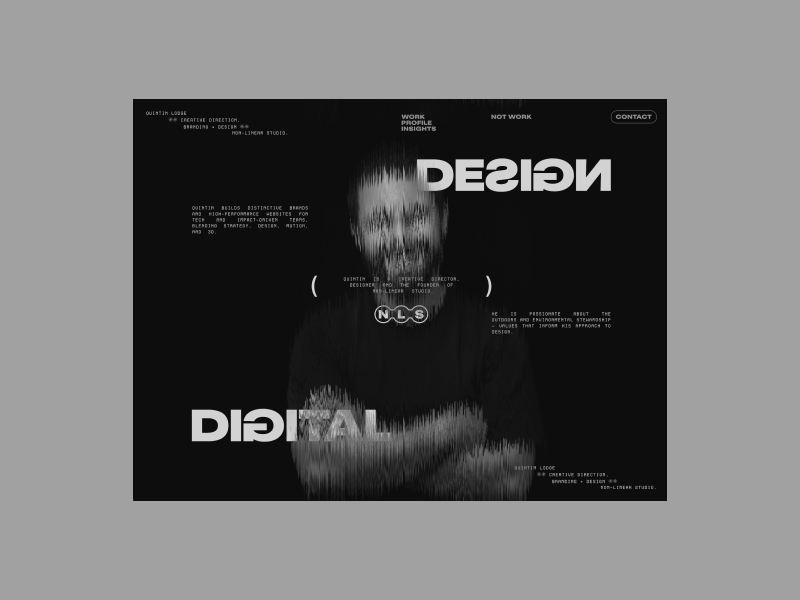
Most B2B clients never click your inner pages—they judge you entirely on the homepage in under two minutes. This article shares a real client story and what it taught me about clarity, visual tone, and making contact stupidly easy. No fluff, just practical takeaways from years of watching how Western decision-makers actually browse.

I joined the industry in 2010 and have spent 16 years at the same design firm. From design assistant to design consultant, from gathering requirements to launching and maintaining projects — this isn't a theoretical piece. It's just a few things I've learned along the way.
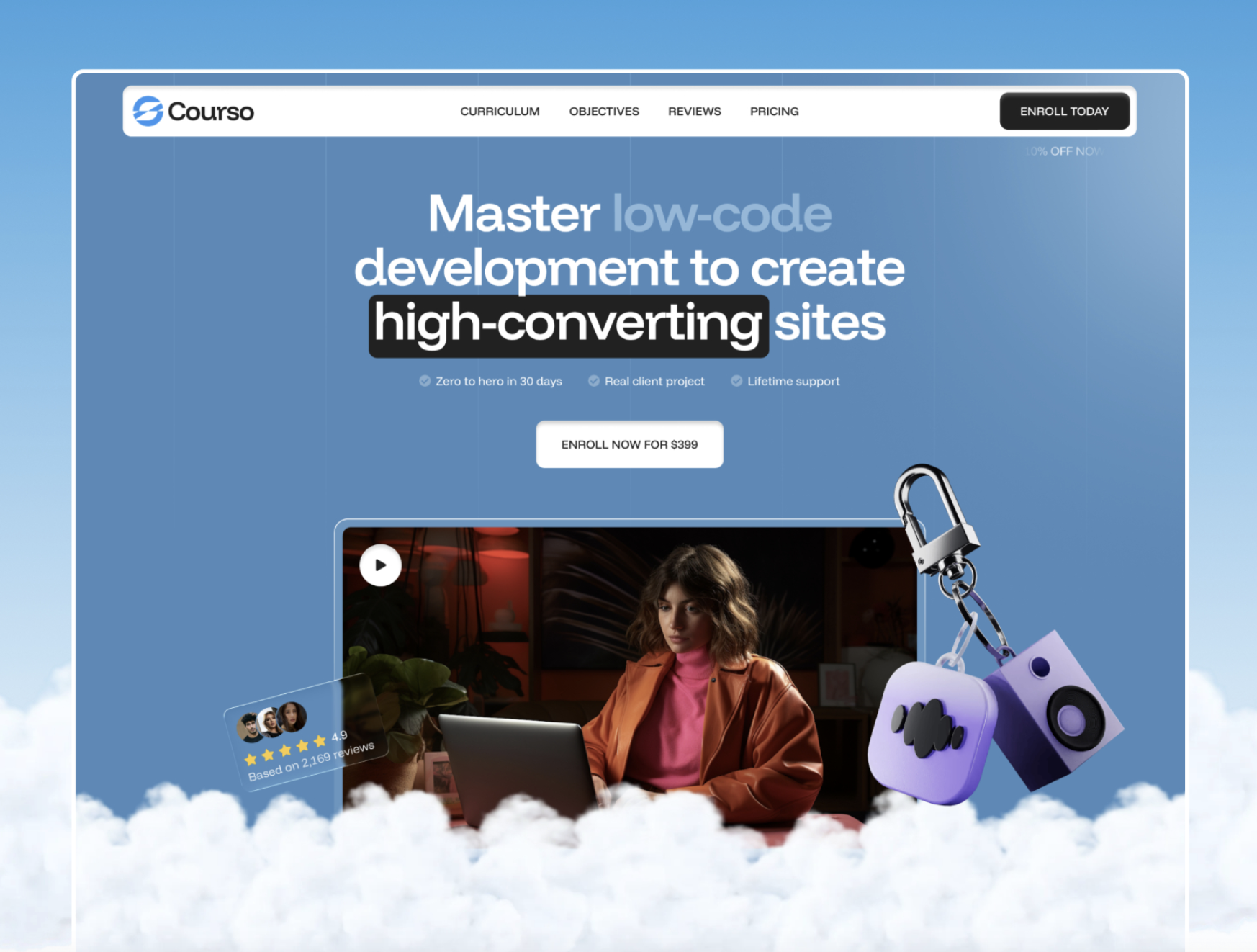
Near the finish line of almost any web project, agency teams usually face a dreaded final boss: late-stage scope creep during the testing and QA phase.

As a design consultant with 22 years of experience in custom website design and development, I field client inquiries every single day. Clients come to us with remarkably similar questions and concerns — pricing, timelines, features, results. Drawing on real-world pre-sales consulting experience, this article outlines the core questions clients care about most, identifies the most common pitfalls in website development, and reveals the real "secret" behind a great website: a professional team with clearly defined roles working in seamless coordination. Our hope is to help you avoid costly mistakes and end up with a website you can be proud to show your clients.

The AI boom has supercharged the market, prompting tech companies to rapidly scale their digital presence. However, when global enterprises source external web development teams, they frequently encounter rigid, template-driven processes that fail to understand their product logic. This article breaks down the real-world friction points in international web development—from communication bottlenecks to clean code for global SEO—and explains why a flexible, deeply aligned custom approach beats "cookie-cutter" agency experience every single time.

As user search habits undergo a fundamental shift from traditional search engines to AI assistants like ChatGPT, DeepSeek, and Gemini, the underlying logic of website redesign must pivot accordingly. This article explores the transition from traditional SEO to GEO (Generative Engine Optimization) from the perspective of a design consultant. It outlines how companies can restructure their content and leverage digital assets to build an AI-readable semantic network, transforming their websites into indispensable strategic assets and trust anchors in the AI era.

Many companies approach their first website as a simple question of existence: “Do we have a website?” But when they move into the second or third redesign cycle, the real question quietly changes into something more strategic: Can our website continuously create value for the business?

In the digital-first era, your website is more than a storefront—it is your brand’s most powerful silent ambassador. However, as businesses scale across borders, a critical question emerges: Should you adopt a minimalist "International" design, or a high-density "Local" framework?
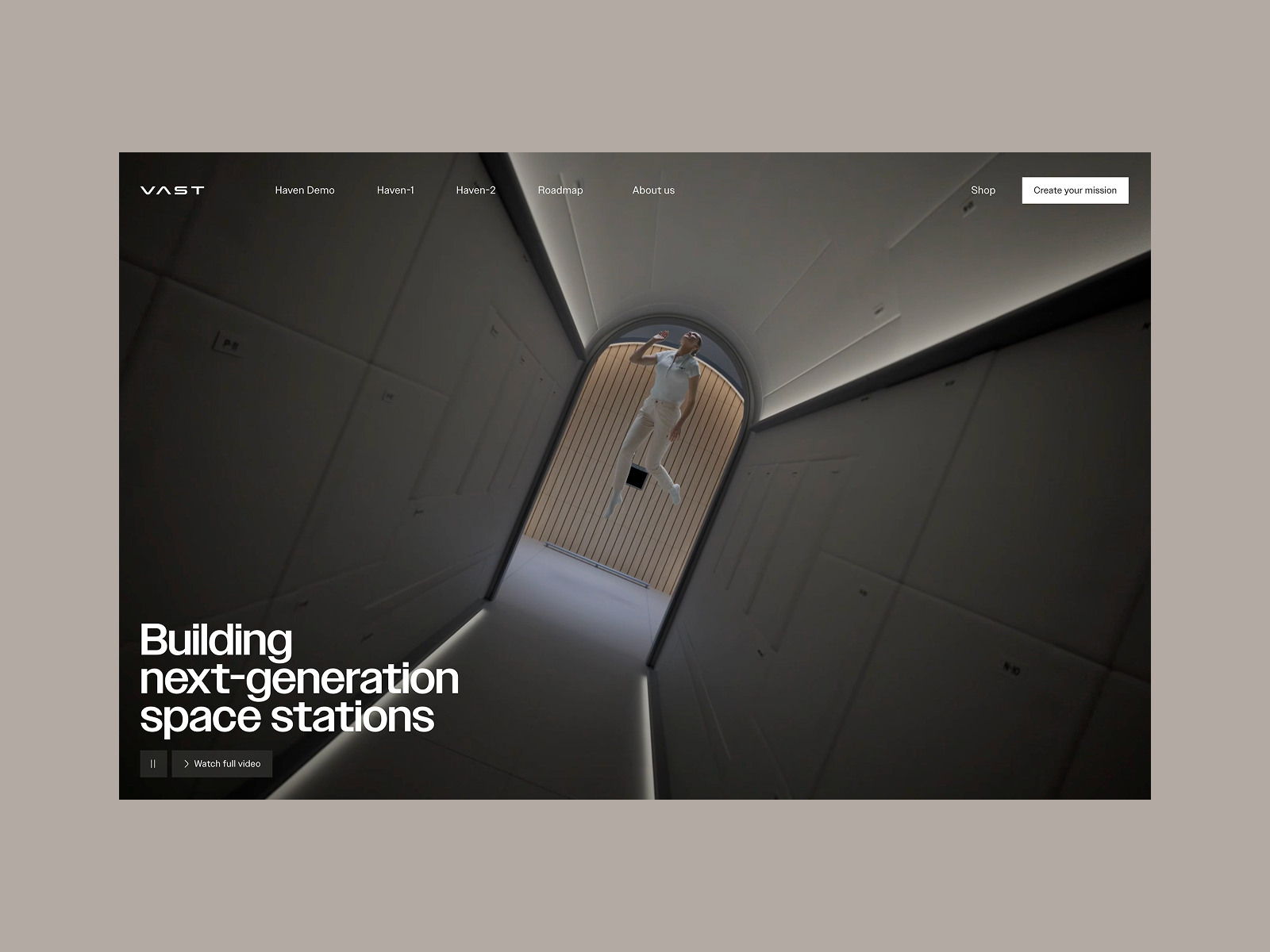
Why a website matters even if it's not your main lead source. A veteran Project Manager explains the link between digital credibility, sales alignment, and conversion efficiency for CEOs and business owners.

Unlike advertising agencies, web design companies are harder to evaluate at first glance. This article explains why—and how to choose the right partner for long-term success.
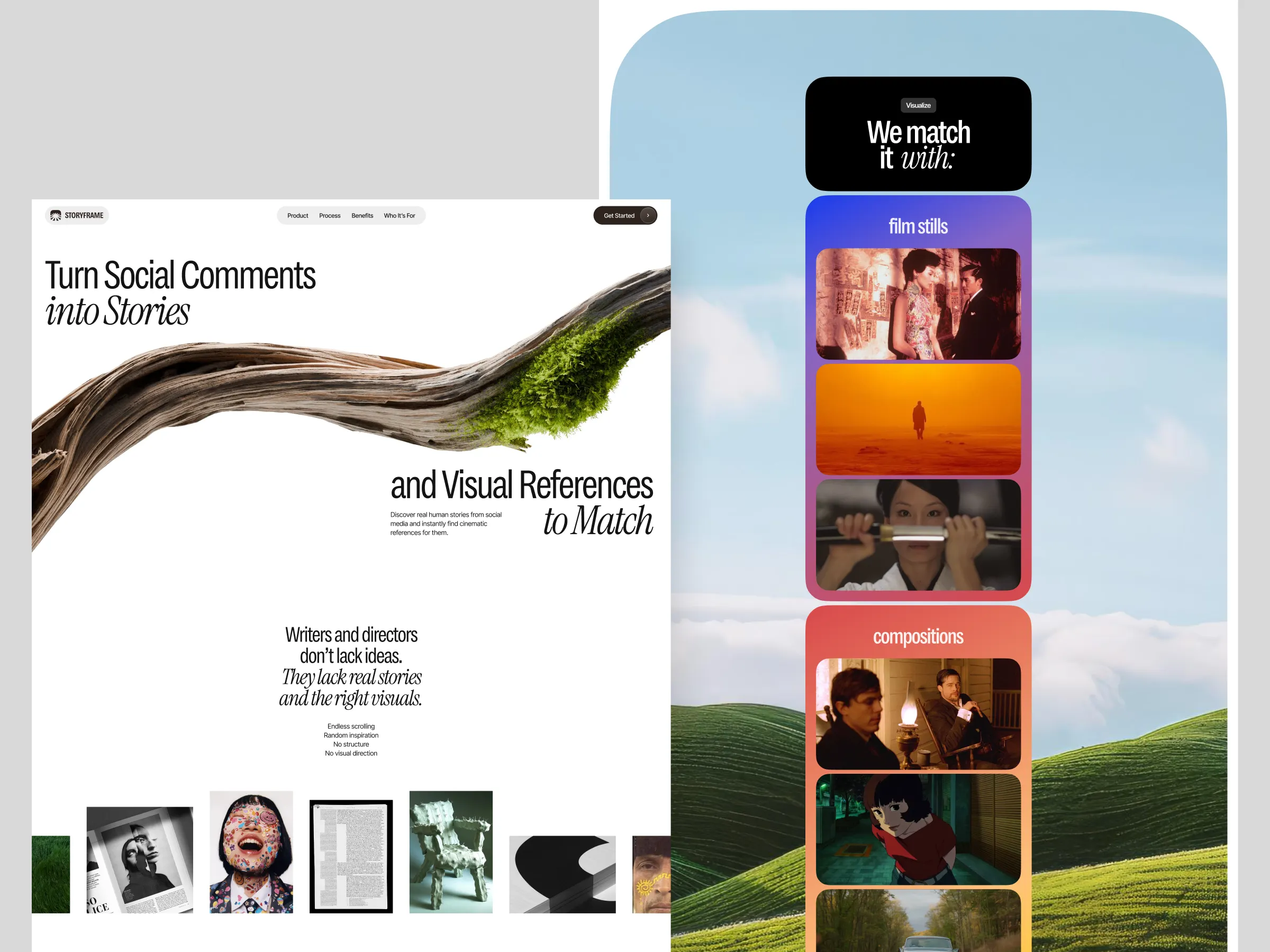
Why do some websites cost $1,000 while others cost $50,000? This article explains the real reasons behind pricing differences—from strategy and structure to technology and long-term value.
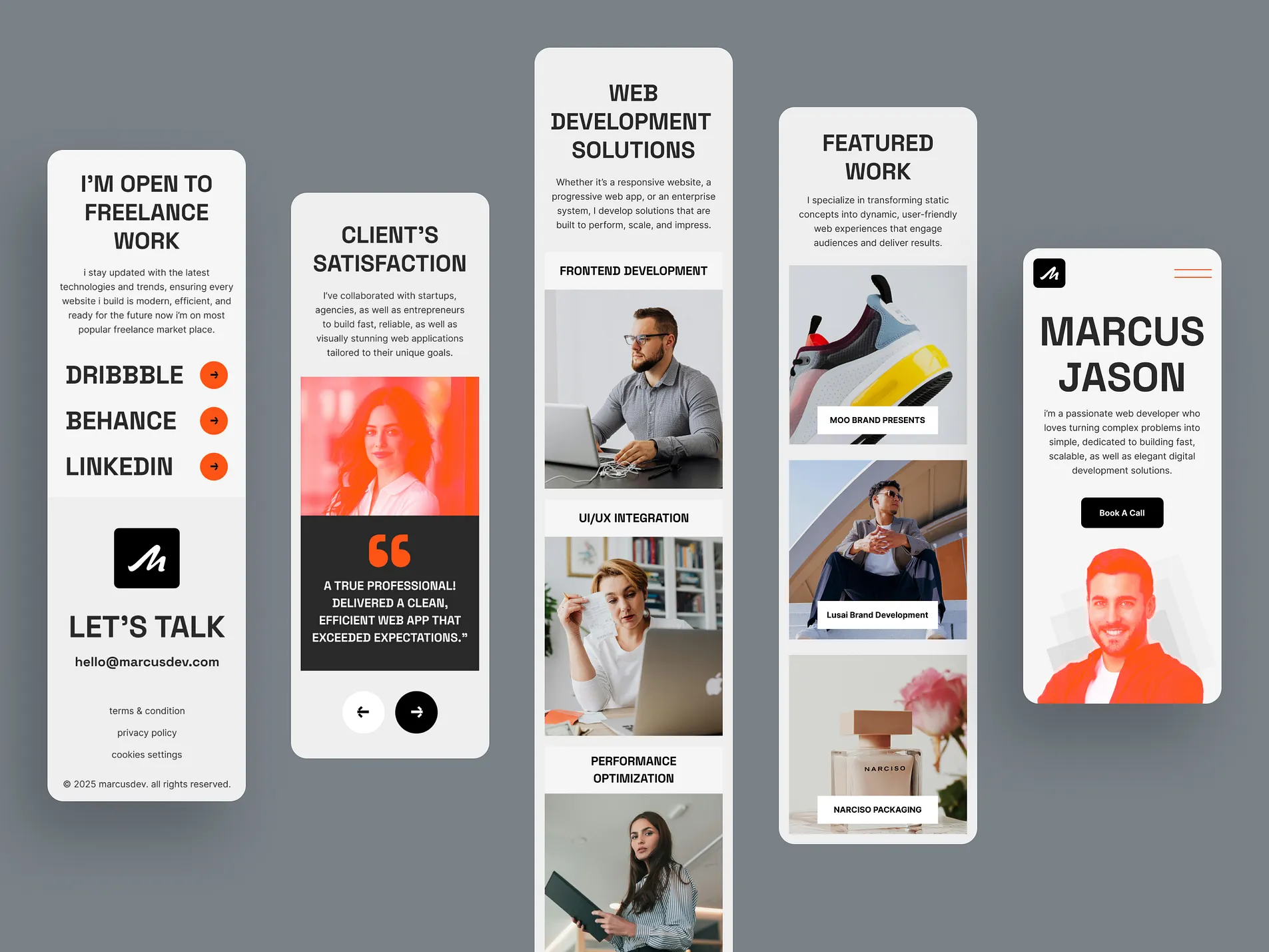
Not every website problem can be fixed with small improvements. This article explains when a full redesign is necessary—from structure and branding to technology and conversion performance.
Many companies invest heavily in building a new website, only to stop updating it shortly after launch. The issue is rarely design quality—it is the lack of long-term planning for content, ownership, and real usage.
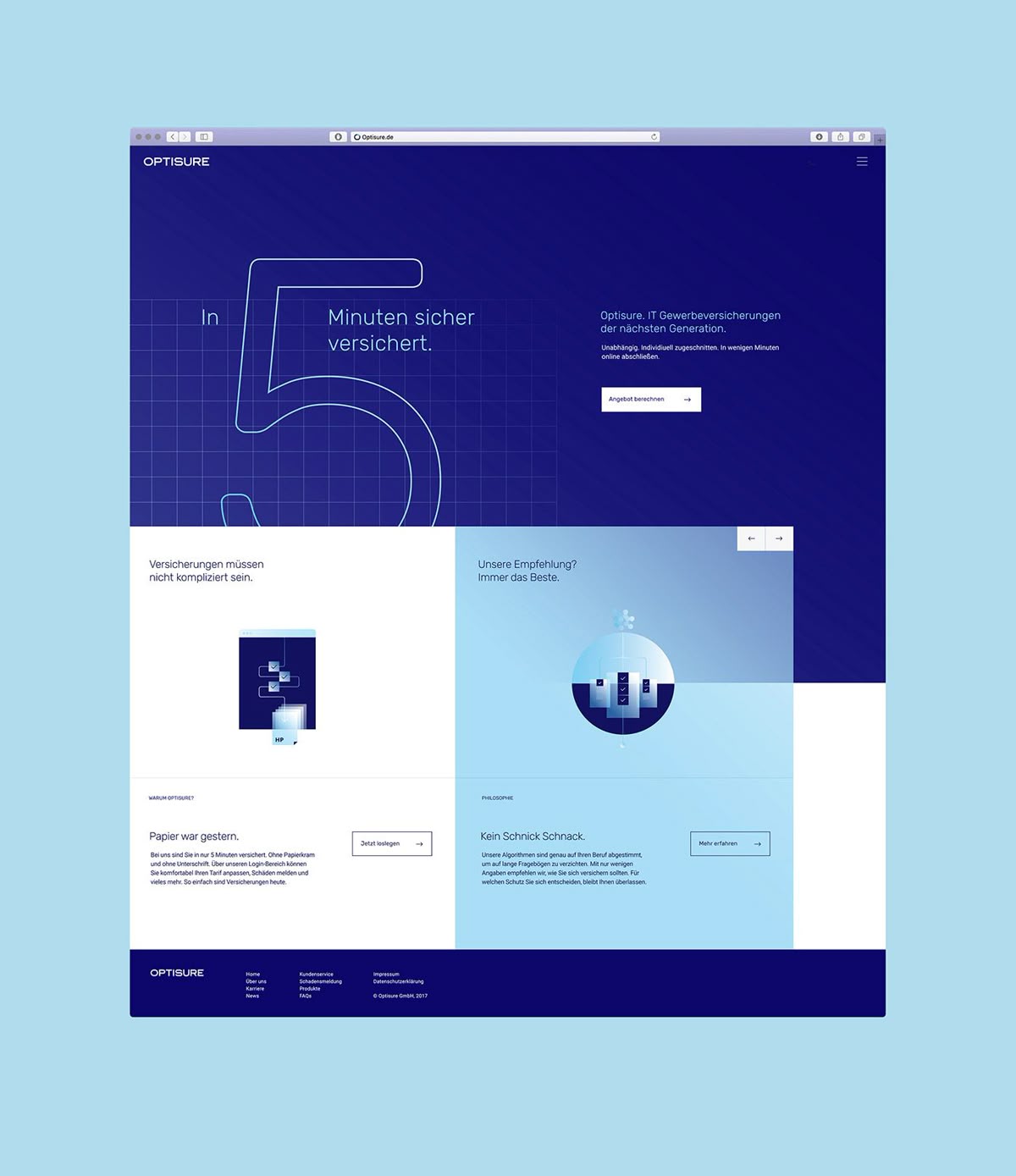
Many companies decide to redesign their websites when the existing one feels outdated. However, a successful redesign depends less on visual changes and more on strategic clarity before the project begins.

Concept website designs often appear visually striking on design platforms, featuring bold layouts, complex animations, and highly polished visual styles. However, when websites are built and launched in real business environments, the final result is usually more restrained. This difference is not necessarily a matter of design quality, but rather the result of practical considerations such as content structure, technical implementation, performance optimization, and long-term maintenance.

Many companies measure their websites using metrics such as traffic, page views, or time on site. While these indicators are useful for media platforms, they often fail to reflect the real business value of a corporate website. For most companies, the real KPI of a website lies in trust building, clarity of communication, and its ability to support meaningful business conversations.