
Many companies struggle with a common question when building or redesigning their websites: should the website focus on brand image or sales conversion? In reality, an effective corporate website needs to do both. It must establish trust through strong brand positioning while also guiding potential customers toward meaningful actions. The real challenge is not choosing one over the other, but structuring the website so each page supports a different stage of the decision journey.
Many companies invest heavily in website redesigns only to find that traffic, inquiries, and brand perception remain unchanged. The issue is rarely visual quality—it’s strategic misalignment. This article explores why most corporate website redesigns underperform and what businesses must clarify before starting a new project.
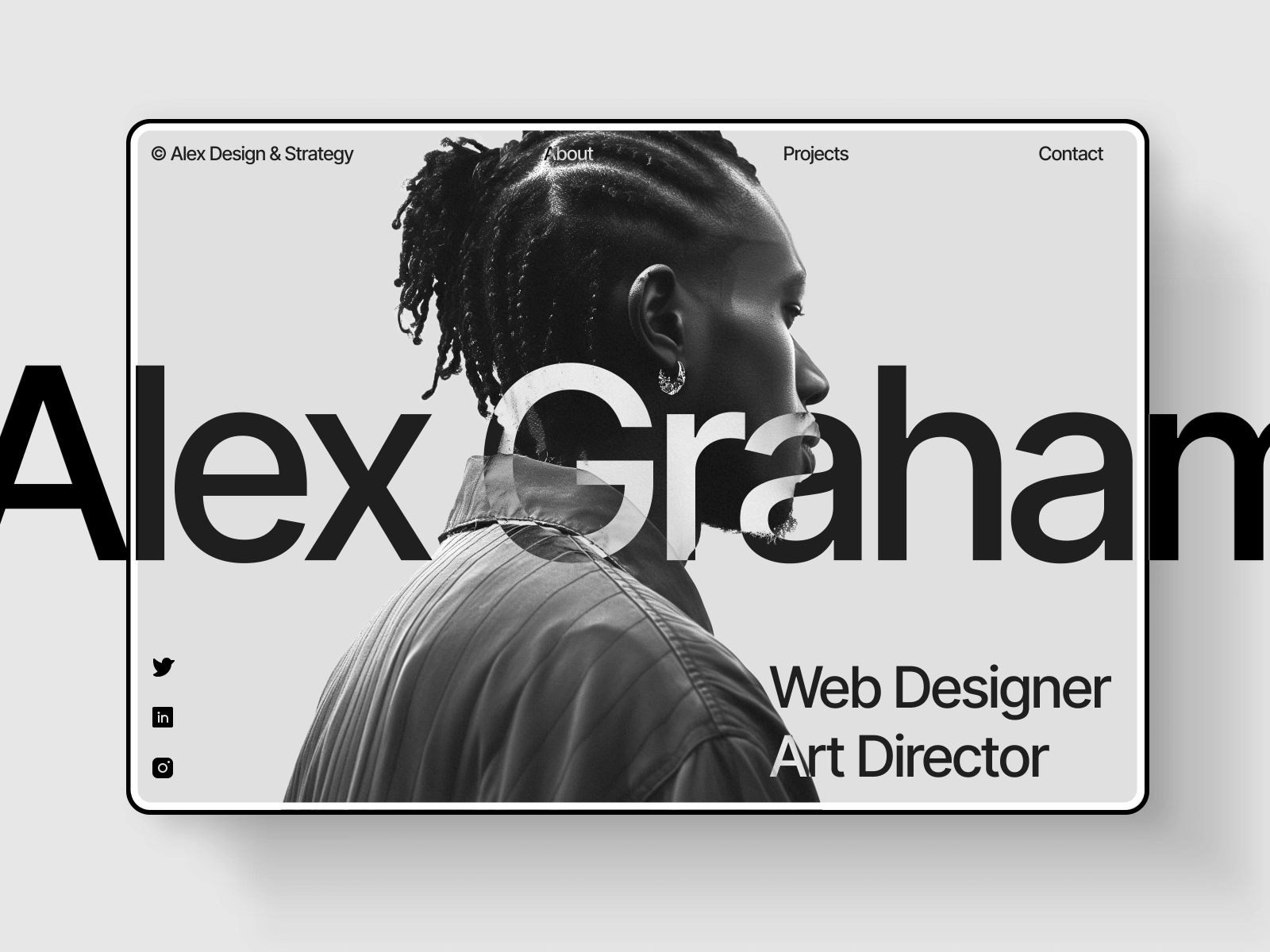
Many companies face difficulties in choosing between templates, outsourcing, independent designers, or production companies when creating their official websites? Starting from real project experience, this article breaks down the differences in different website building methods to help companies understand which choice is necessary to truly demonstrate their own strength and generate value.

A review of the websites completed and officially launched by Sumaart Design over the past year. From website redesigns to brand upgrades, each project centers on one core question: accuracy—responding to real brand needs through carefully completed websites.

Users demand speed, businesses demand beauty - what's the real cause of slow websites? This article cuts through the “we want both” dilemma and provides practical solutions for balancing performance and design from concept to launch.

Think SEO is just stuffing keywords? That's like painting a house before laying the foundation. This guide breaks down, in plain English, how to bake search engine visibility into your website from the very first sketch to daily upkeep.

Many website issues after launch—layout glitches, broken flows, slow loading—are not caused by poor design or development, but by skipping the final step: pre-launch testing. This step ensures that the website performs reliably under real conditions and delivers a professional, consistent brand experience from day one.

Clean, well-structured code is more than a technical preference — it is a long-term investment in the health, stability, and scalability of a website. When code is organized, consistent, and easy to read, future updates become simpler, troubleshooting becomes faster, and maintenance costs stay under control. For businesses, clean code ultimately protects digital assets and ensures that the website can evolve alongside new requirements.

Adaptive and responsive design are often mistaken as the same thing, but they follow different approaches that impact layout, scalability, and long-term maintenance. This article clarifies the key differences and helps businesses choose the right strategy for their website.

If your website looks clean and polished on an iPhone but suddenly shifts, stretches, or “breaks” on Android devices, you’re not alone. In our years of building custom websites, we’ve learned that the cause usually isn’t a bug or bad design—it's the hidden complexity of how different devices interpret the same visuals. This article gently unpacks why this happens and how brands can create a consistent experience across a fragmented mobile world.

In the eyes of many business owners, website image optimization is merely a "retoucher's" job: adjusting colors, cropping compositions, replacing with more exquisite images. While this is important, it's far from sufficient.

In our studio, we have a mantra: "Great design makes users stop. Great speed makes them stay." This isn't just a catchy phrase—it's a hard lesson learned from data and client projects.

Most people believe that seeing is a straightforward process: light enters the eye, and the brain receives an accurate picture of the world. But vision is never that simple. What we see is not a raw image—it’s a meaning constructed by the brain.

We often talk about websites in technical terms — structure, performance, conversion, SEO.
But lately, I’ve been wondering about something simpler.

Some websites tell you everything in under ten seconds — what they do, who they're for, where to click. Others? You could stare for ten minutes and still wonder: Are they selling something? Building a brand? Or just… showing off? The difference isn’t about fancy animations. It’s about clarity, rhythm, and focus.

fter years of building websites for all kinds of brands, we’ve realized something: there are three sentences that can make even the calmest design team panic (quietly, of course). Let’s have a little fun with it — but also, some truth.