As we navigate the digital landscape of 2026, one truth emerges: websites are no longer static destinations but living ecosystems. Having tracked the pulse of digital design for over a decade, we've witnessed how visual aesthetics, interaction patterns, and technical foundations converge to create meaningful user journeys. While predictions are inherently uncertain, here's where the current trajectory leads us.
Traditional sitemaps are giving way to dynamic journey mapping. Instead of linear navigation, we're designing adaptive pathways that respond to user behavior in real-time. Through strategic cue placement and predictive layout systems, websites now anticipate user needs, offering personalized routes through content. This represents a fundamental shift from designing pages to designing intelligent pathways.
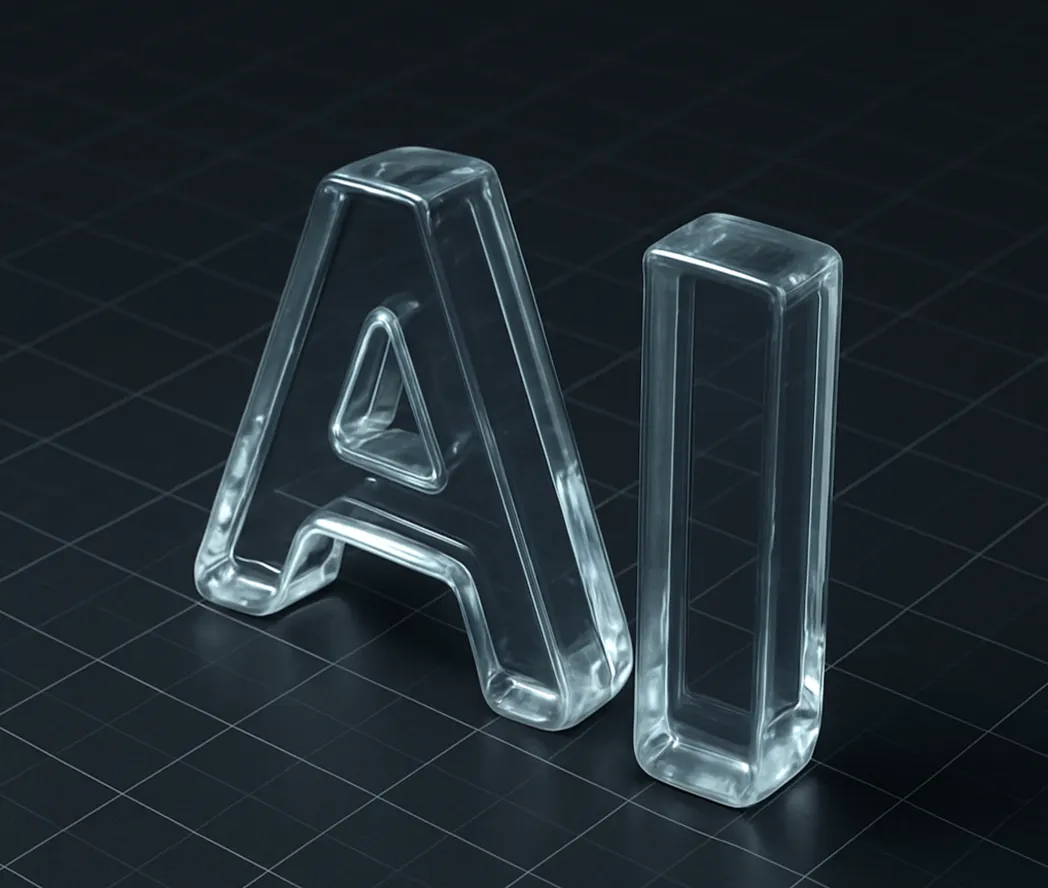

While high-fidelity visuals continue to evolve, they now serve performance. Advanced image compression, lazy-loading sequences, and SVG animations create immersive experiences without sacrificing speed. The new standard isn't just beautiful design—it's beautiful design that loads instantly and interacts seamlessly across all devices.
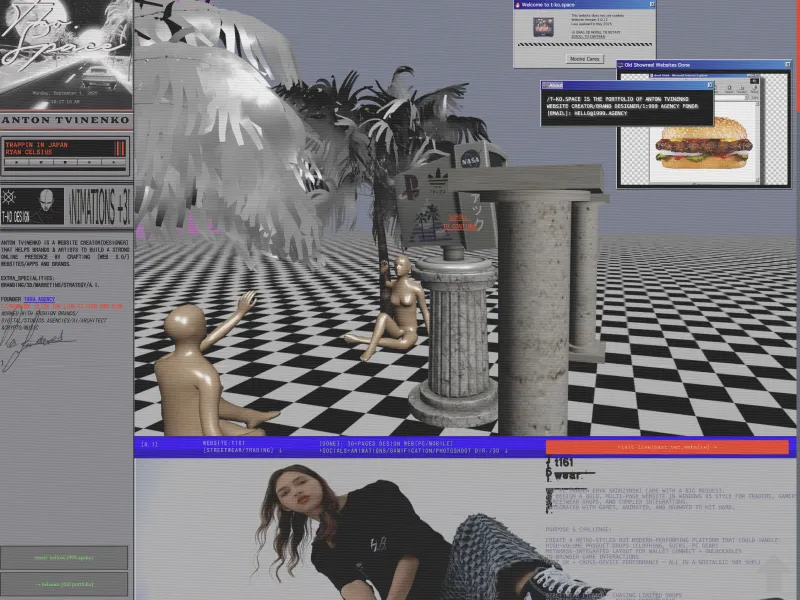
Every hover, click, and scroll becomes an opportunity for communication. We're moving beyond decorative animations to purposeful motions that guide, confirm, and delight. From form fields that validate input through subtle vibration patterns to navigation menus that expand with physical precision, these micro-interactions build intuitive bridges between users and interfaces.
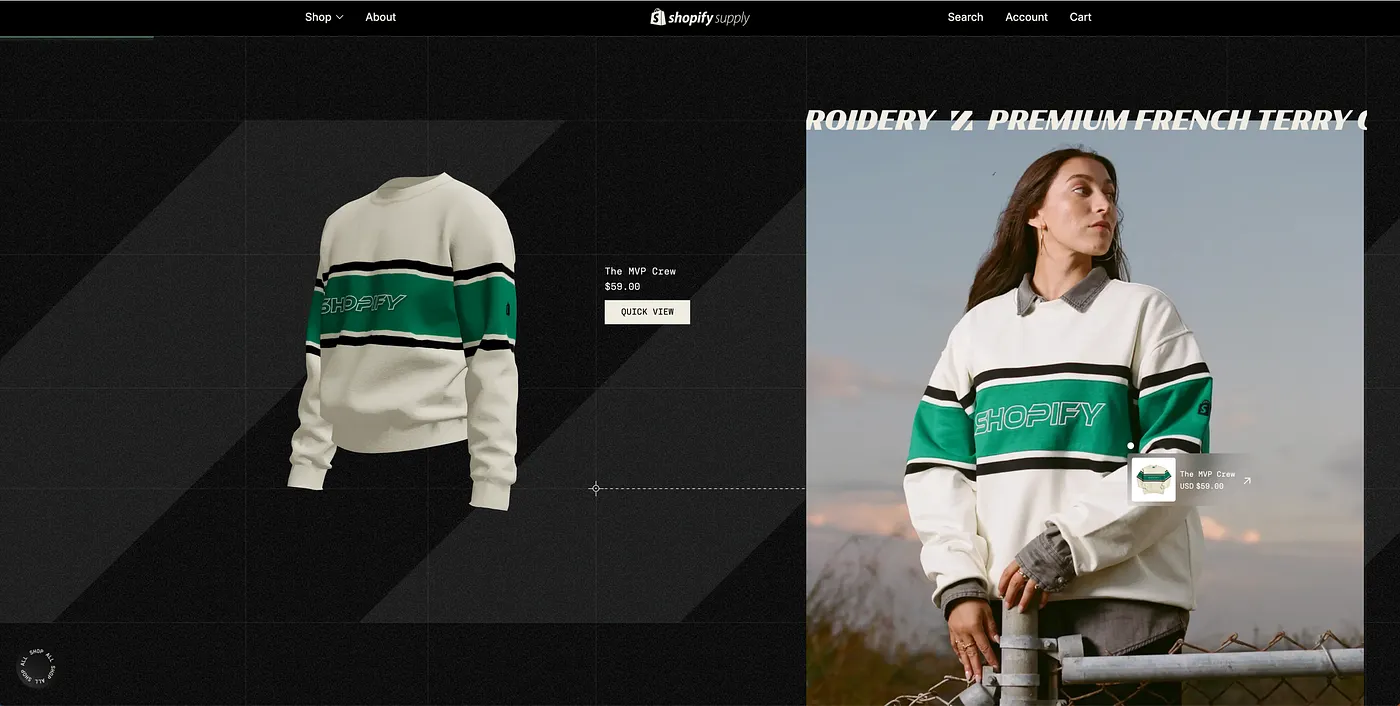
Screens now recognize their environment. Using ambient light detection, location awareness, and time-based triggers, websites adapt their appearance and functionality. A restaurant site might highlight dinner specials as sunset approaches; a reading app could adjust typography based on surrounding brightness. This creates experiences that feel personally crafted for each moment.
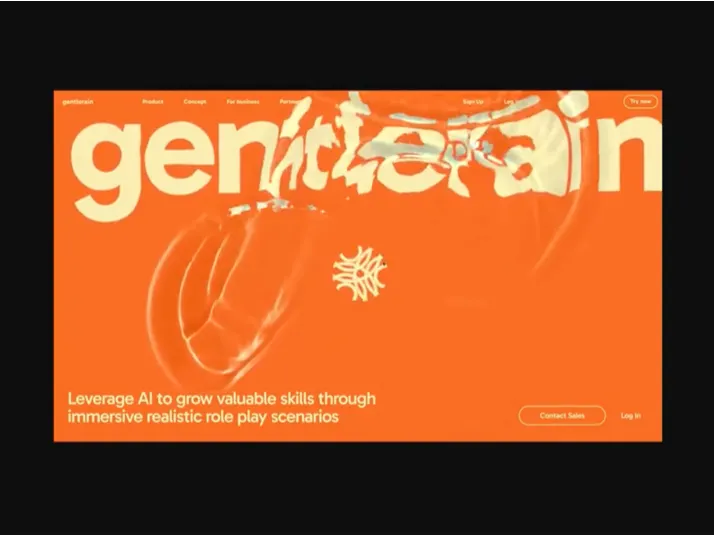
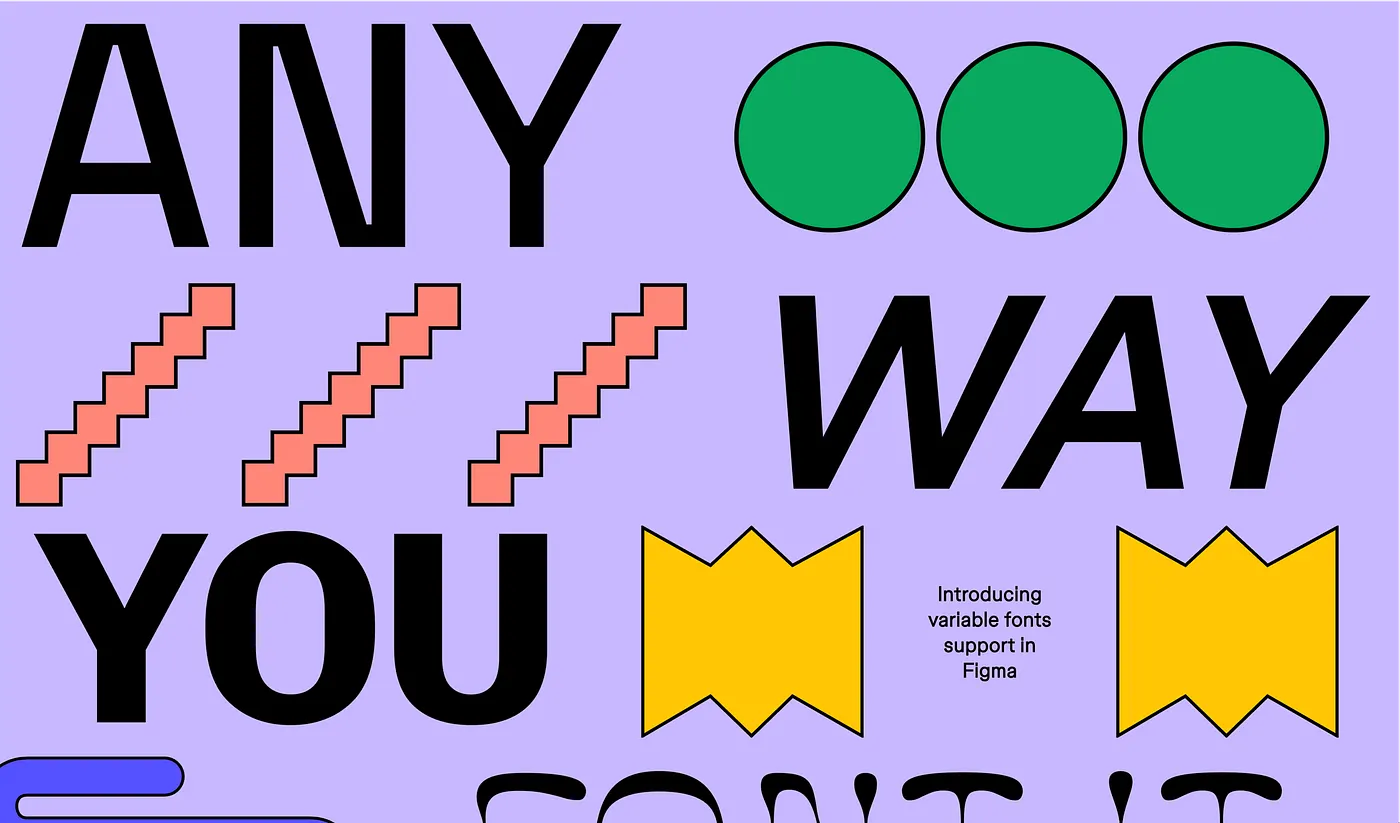
Variable fonts have matured into layout tools. Typefaces now dynamically adjust weight, width, and spacing to create visual hierarchy and rhythm. Headlines might expand to fill available space, while body text optimizes for reading comfort. This fluid relationship between type and layout creates more organic, readable compositions.
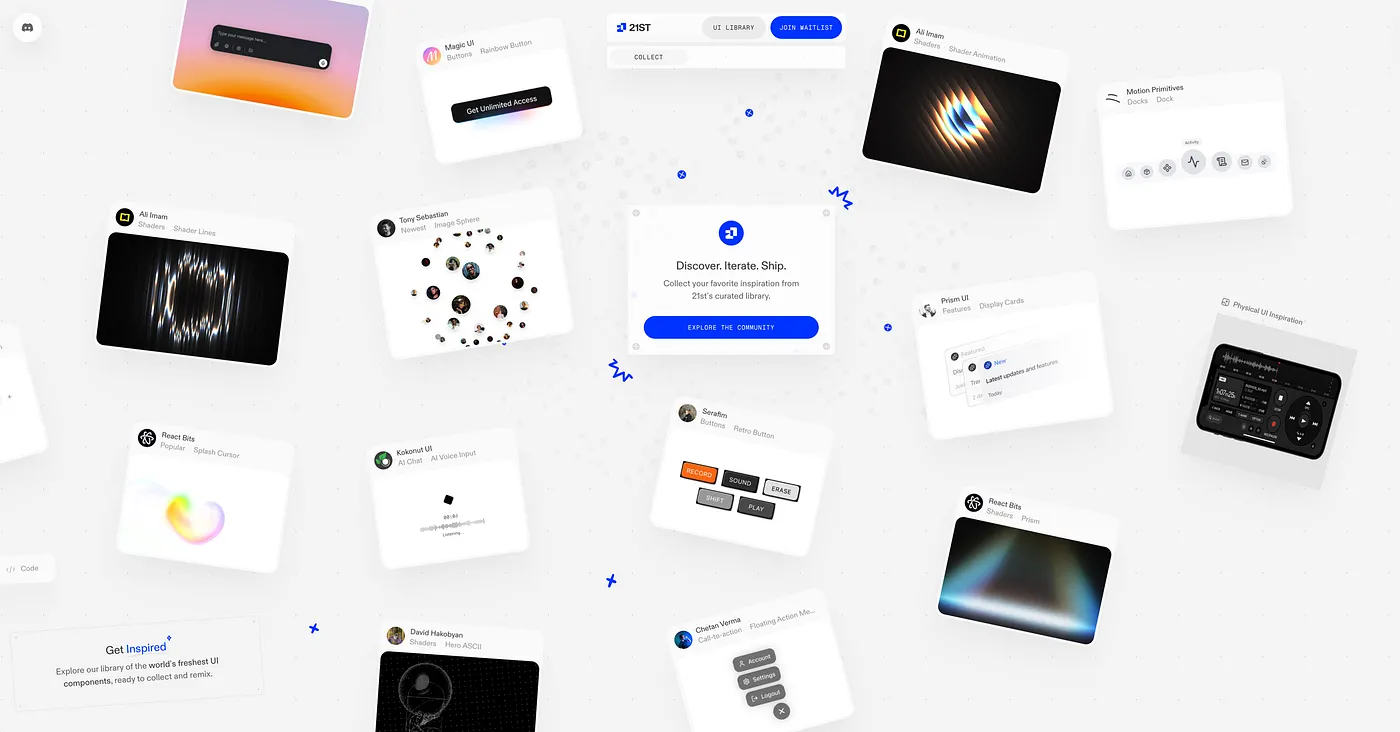
Visual innovation now walks hand-in-hand with technical excellence. Core Web Vitals have become creative constraints, driving innovations in loading patterns, code splitting, and asset delivery. The result: visually stunning experiences that maintain perfect performance scores—proving that beauty and speed aren't mutually exclusive.
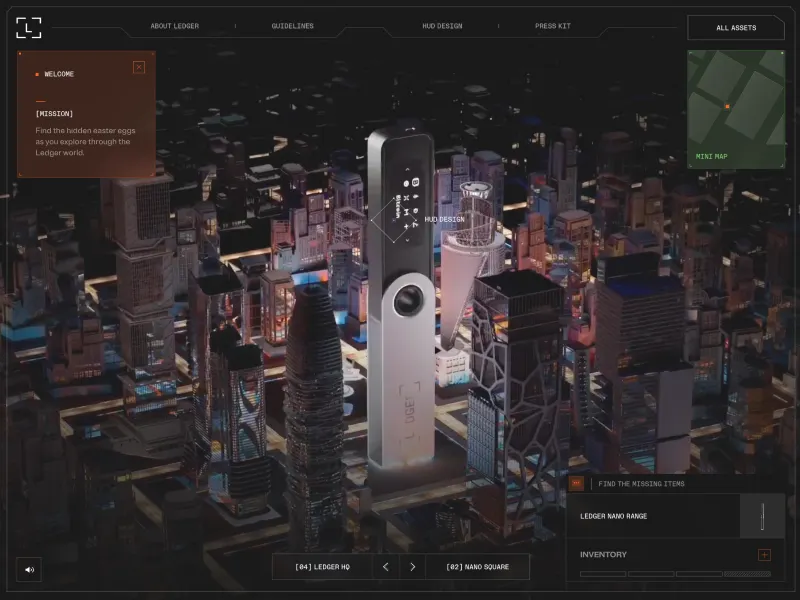
The scrollbar has evolved from navigation tool to narrative device. Parallax effects, triggered animations, and content reveals are choreographed to the user's scroll position, creating cinematic journeys through information. This transforms passive browsing into active exploration, making every scroll a deliberate step in the user's journey.
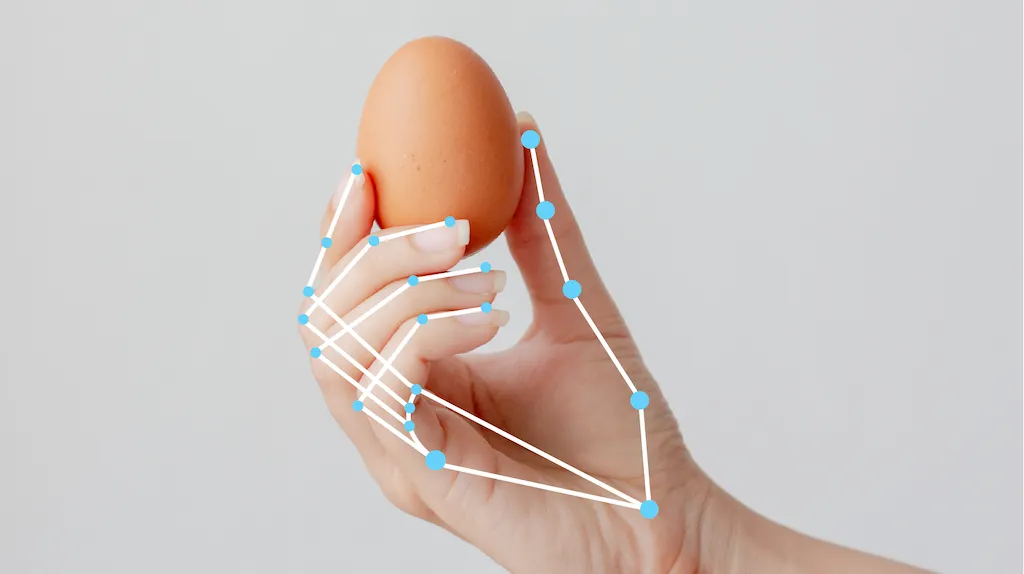
Color systems are now built from accessibility foundations. Dynamic contrast adjustment, color deficiency simulation, and context-aware theming ensure visual appeal never compromises legibility. This represents a shift from treating accessibility as a requirement to embracing it as a core design principle.
The line between design and development continues to blur through shared component libraries. These living systems ensure visual consistency while accelerating production. Updates propagate instantly across entire websites, and new pages can be assembled from pre-validated patterns—making quality and coherence scalable.
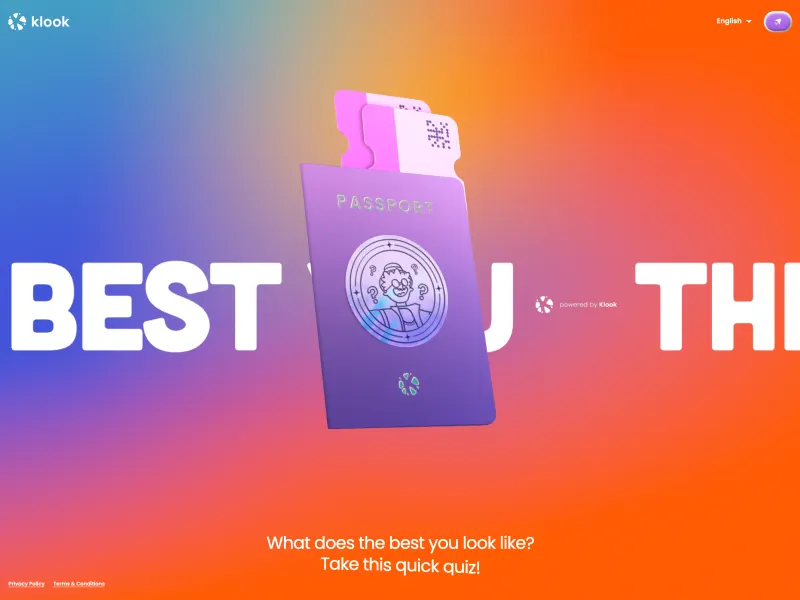
The most significant evolution might be the quietest: interfaces that respond to emotional cues. Through subtle animation timing, thoughtful sound design, and intentional white space, websites create emotional resonance. A confirmation doesn't just function—it satisfies. Loading doesn't just wait—it anticipates. These emotional layers transform utility into personality.
While the specific technologies will continue to evolve, the direction is clear: we're moving toward more human, more responsive, and more considerate digital experiences. The websites that will stand out in 2026 won't be those that simply look different, but those that feel more alive, more helpful, and more human.

The tools are changing, the techniques are advancing, but the goal remains constant: to create digital spaces that understand and serve the people who use them. And that's a future worth designing for.
Ready to build your website?
Get in touch to discuss your project needs and ideas.
Email: chris@sumaart.com  | Phone: +86 136 3281 6324