Let’s be honest. Most companies treat the “Contact Us” page like an afterthought.
You showcase your products, your services, your achievements — and then at the very end, you throw in a “Contact Us” link, just to check the box.
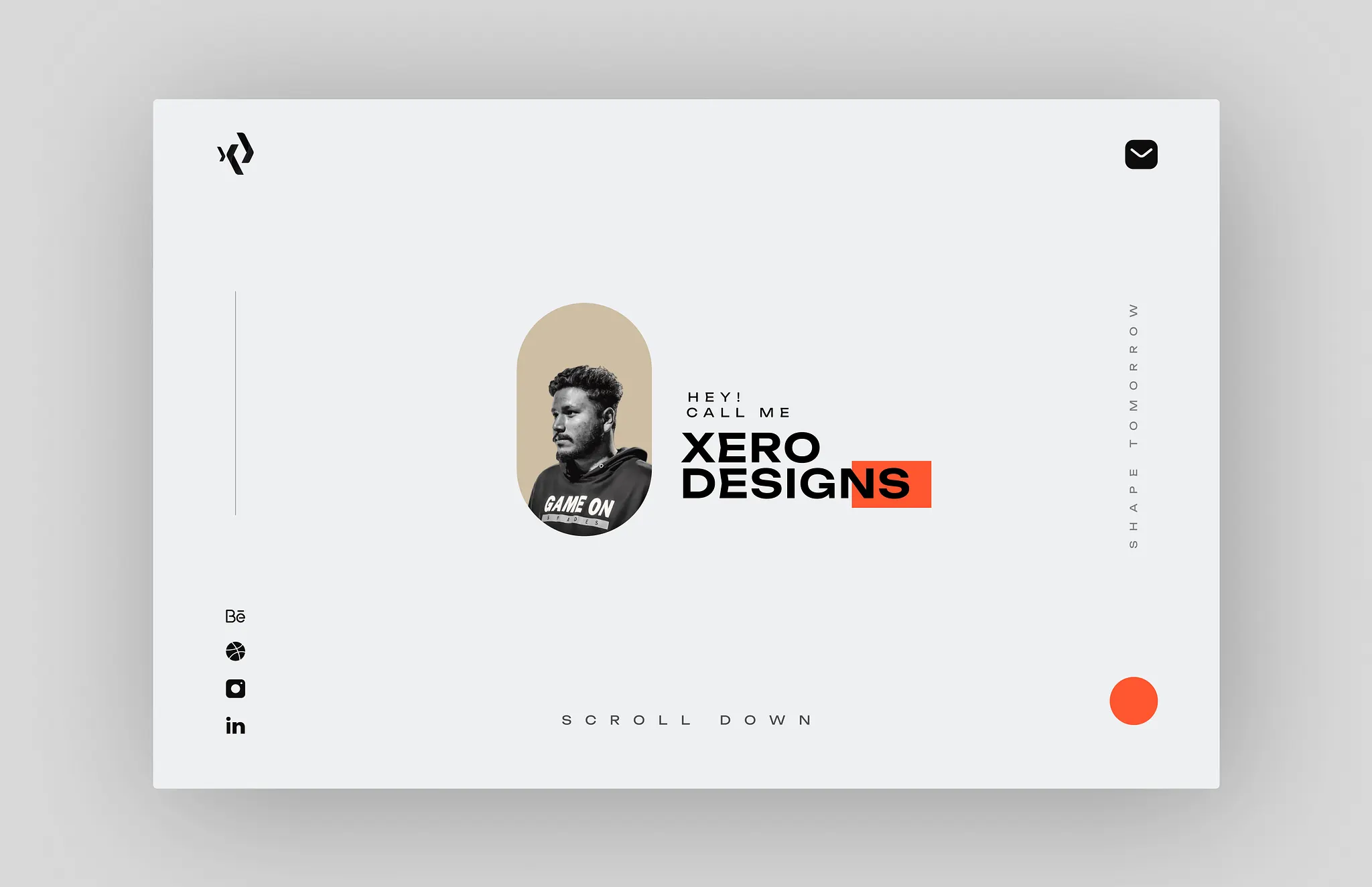
But here’s the truth: when users click “Contact,” they’re not browsing anymore — they’re deciding.
They’ve already compared, filtered, and thought things through. And at that moment, any friction — a hidden link, a confusing form, or too many clicks — can make them drop off instantly.
So the real question isn’t “Where should we put it?”
It’s “How can we make reaching out feel effortless?”
Many contact pages are just… too polite.
Tucked away in the footer. Buried under “About Us.” Or disguised as a vague “Let’s work together” banner that doesn’t even link anywhere.
Here’s the thing — users shouldn’t have to hunt for a way to reach you.
A good contact design has three key traits:
Visible and repeated. It’s okay to show your contact CTA more than once — at the end of your Services, Case Studies, or Pricing sections.
Action-driven language. Say “Let’s talk about your project” or “Start your consultation,” not just “Contact Us.”
Multiple options. Some people prefer forms. Others like email, WhatsApp, or LinkedIn. Give them choices.
The less people have to think, the more likely they’ll take action.
We’ve all seen it — those forms that feel like an exam.
Full name, company name, budget range, industry, timeline… halfway through, users just give up.
A contact form’s job isn’t to collect data — it’s to start a conversation.
Here’s a simpler formula that works almost everywhere:
Who you are (name or nickname)
What you’re looking for (short message)
How we can reach you (email or phone)
That’s it.
You can always get more details later once the person actually reaches out.
Remember: Forms don’t close deals. Conversations do.
When someone finally clicks “Contact,” what they’re really asking is —
“Can I trust you with my problem?”
So your contact section shouldn’t just collect information.
It should build confidence.
Here are a few ways to do that:
Add a short, friendly message like “We’d love to hear your idea.”
Show a few client logos or short testimonials nearby.
Include a photo of your team or workspace to humanize the interaction.
These little touches replace that cold, transactional feeling with warmth and credibility.
A great website isn’t just about visuals — it’s about guiding people to take action.
If users keep saying they “couldn’t find your contact info,” it’s not their fault. It’s a sign your site isn’t built around their behavior.
Try walking through your website like a first-time visitor.
How many clicks does it take to get in touch?
Does the form feel friendly or like a chore?
Does the page make people feel they’re talking to a real person, not a form submission robot?
Sometimes, all it takes is a clearer button, a shorter form, or one line of genuine copy to turn a lost lead into a new conversation.
Because in the end, good design doesn’t just look beautiful — it makes connection feel easy.
Ready to build your website?
Get in touch to discuss your project needs and ideas.
Email: chris@sumaart.com  | Phone: +86 136 3281 6324