I joined Suma Design in 2010.
The industry back then looked nothing like it does today. No Figma, no Sketch — we were still designing in Fireworks and laying out pages with HTML tables. Client expectations were simple too: just having a website was enough. It didn't need to be fancy.
I started as a design assistant, doing a bit of everything — drawing icons, slicing PSDs, filling in content, tweaking details, staring at my screen until late every night. The company was small back then, and we wore many hats. But those early years gave me hands-on experience across every stage of a web project — from the first client call to the final launch.
Looking back, that "do-everything" phase was probably the most valuable part of my career.
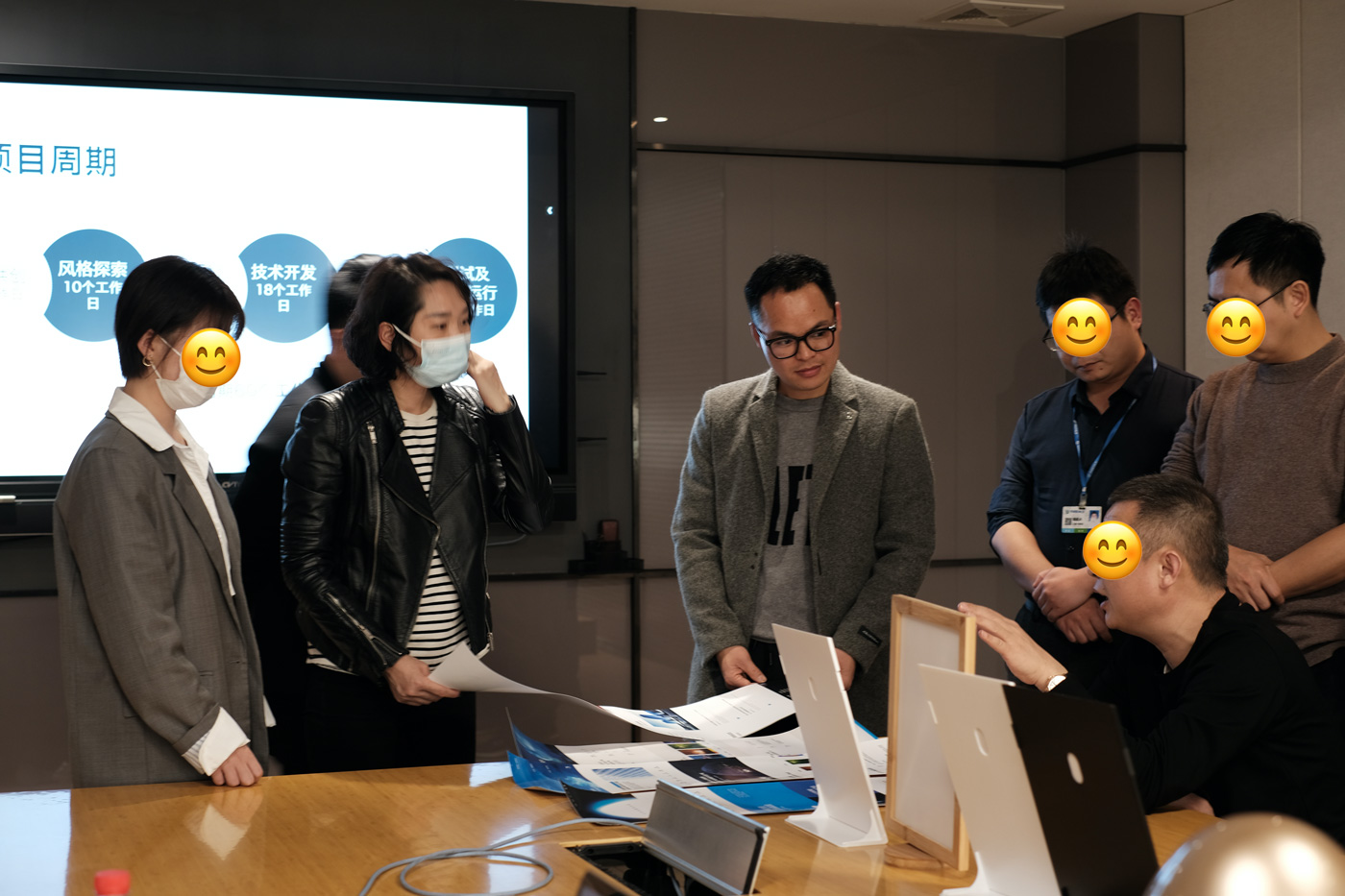
A few years in, my role gradually shifted from "person who makes things" to "person who talks to clients."
People often ask me what a design consultant actually does. The short answer: translation.
When a client says "I want it to feel premium," I translate that into something the design team can act on — "more white space, thinner typefaces, no more than three colors." When the design team says "this animation will cause performance issues," I translate that back to the client — "the experience will feel choppy, and we risk frustrating users — I'd recommend a different approach."
After 16 years, I've come to believe that the most important skill in this role isn't design ability — it's the ability to understand and reframe.
Clients aren't designers. They often can't articulate what they want — and that's perfectly normal. The design team doesn't know the client's business context — they might build something that looks great but doesn't fit how it'll actually be used. That's normal too. My job is to stand in the middle, translate both ways, and keep both sides from talking past each other.

It sounds dull — 16 years of essentially the same loop.
Meet clients. Listen to their needs. Build a project team. Draft the contract. Lock in the timeline. Oversee the design phase. Coordinate with development. Review the build. Test. Launch. Maintain.
Year after year, the same cycle.
But it's from this repetition that I've slowly gathered a few lessons:
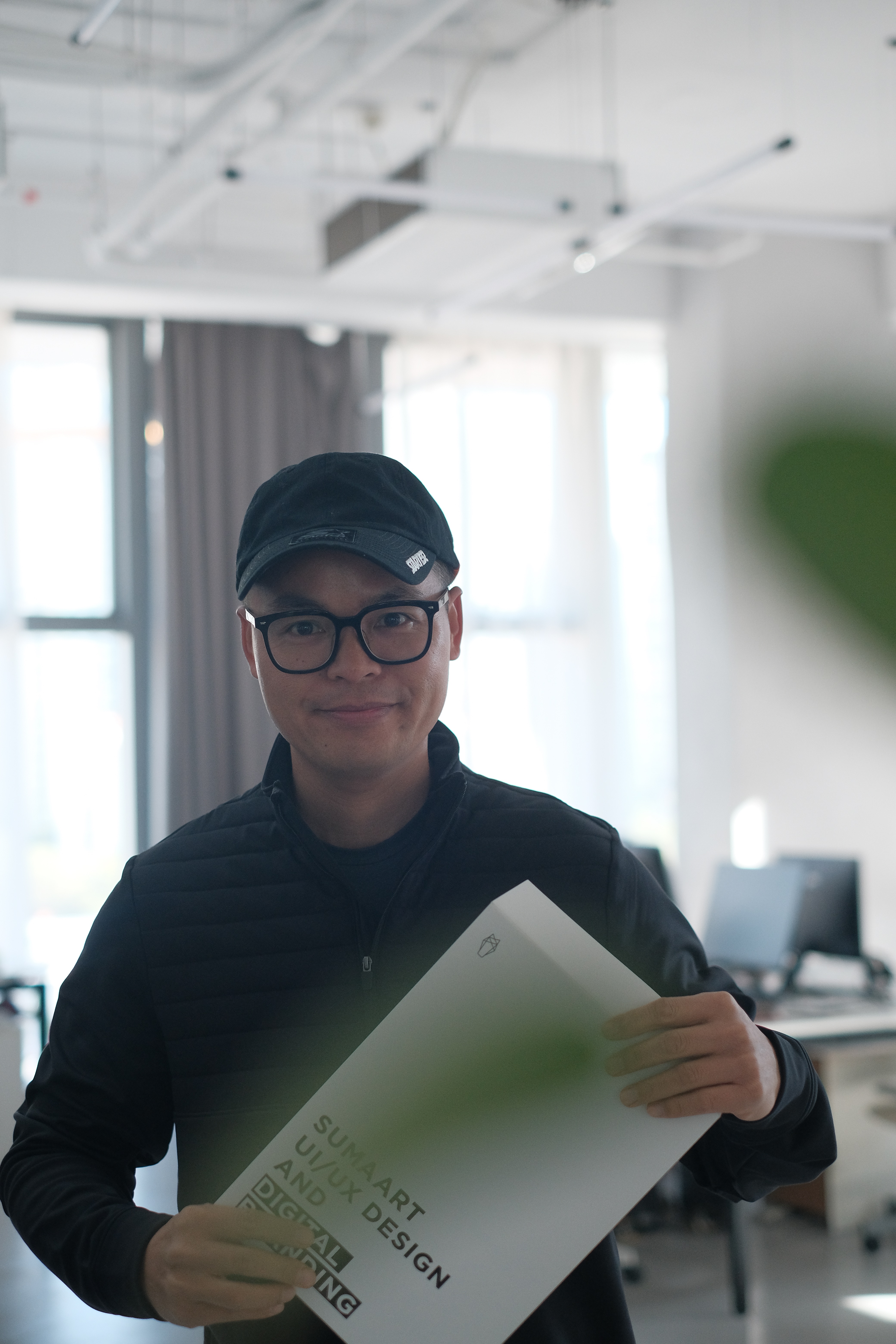
The discovery phase can never take too much time.
Most projects go sideways because the kickoff was rushed. The client is in a hurry. The team wants to start. Both sides say "good enough" and jump in. Halfway through, they realize they understood each other differently. Everything gets redone. The few days saved upfront cost weeks on the back end.
I now have a rule: before any real work begins, I sit with the client and walk through reference sites. Not just browsing for "what looks nice" — we break it down. What exactly do you like about this? The color palette? The layout? The way the hero section sets the mood? The way information is structured on interior pages? The more specific we get upfront, the less rework we have later.
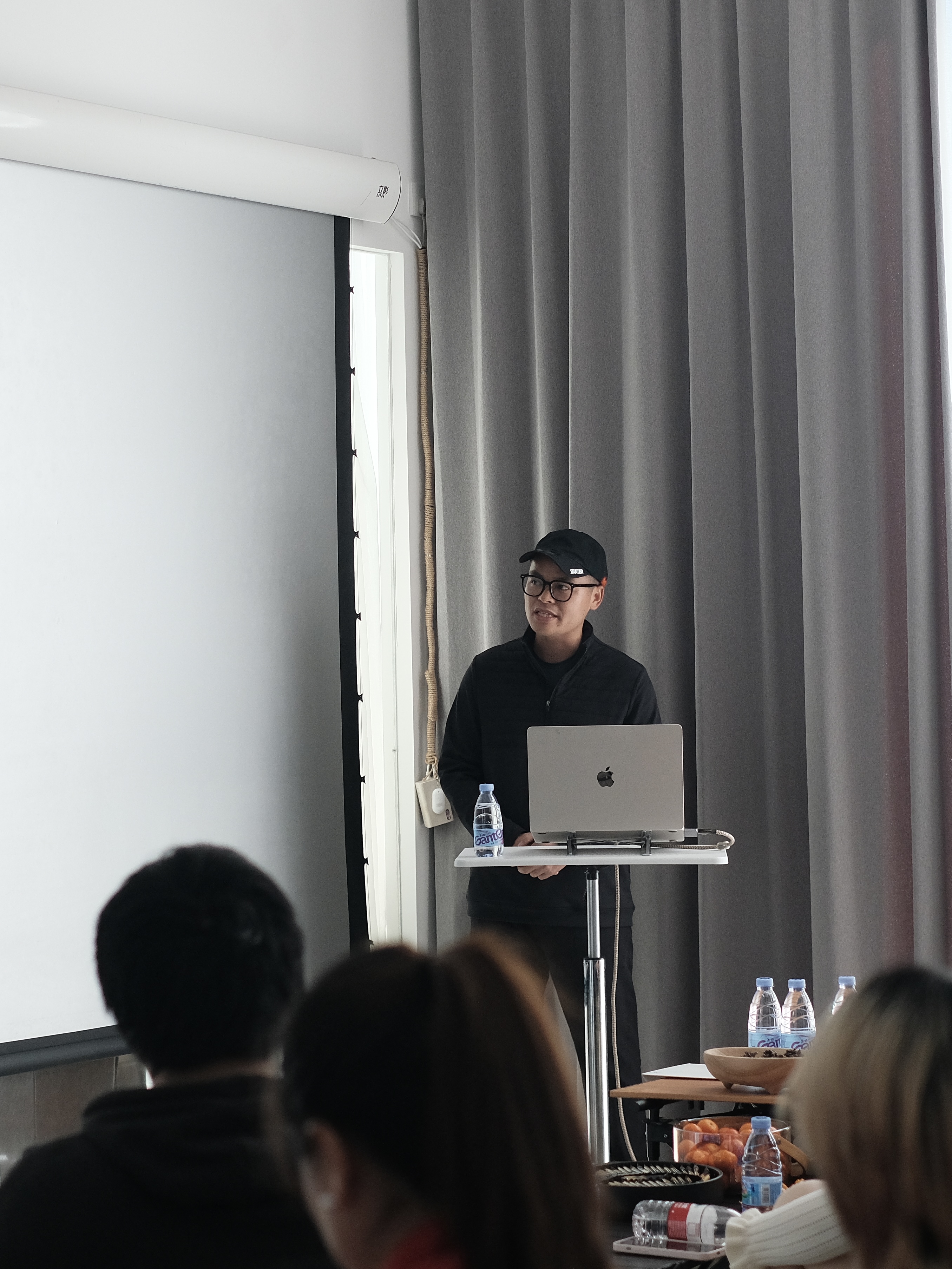
Put everything in the contract upfront.
If there's one thing I've learned about project disputes, it's this — most of them come from things that weren't made clear at the start. What's included? What's not? How many rounds of revisions? What happens if we go over? If the contract is vague, disagreement is almost guaranteed later.
It's not that I don't trust clients — it's that people naturally interpret things differently. Only when it's written down clearly can you avoid misunderstandings.

The biggest threat to a project is "I want both."
I've seen so many projects stall halfway for the same reason: the client saw another website and thought, "this is great too — can we add some of that?"
The truth is, design can't survive constant course-correction. Add something today, change something tomorrow, and you end up with a mess that doesn't feel like anything.
Sometimes someone has to say "no." Not to be difficult — to help the client stay true to the direction we all agreed on at the start.
Launch is not the end — it's the beginning.
A website going live doesn't mean the job is done. Clients run into all kinds of questions afterward — how does the CMS work? How do I update content? How do I read the analytics? These things seem minor, but they shape the client's overall impression of you.
Looking back at my 16-year journey, I've noticed that many clients have stuck with me for maintenance — not because the design work was mind-blowing, but because they could count on me to pick up the phone when something came up, and fix it quickly.

I've worked with many clients over the years, some for a long time.
Chipscreen Biosciences, Watson Biotech, Wantai Vaccine — working with biotech companies taught me how to translate complex technical language into a visual language that users can actually understand.
MLS Co., Ltd. , a publicly traded company with multiple layers of approval and long review processes. The real challenge on their projects wasn't the design itself — it was protecting the original direction through endless rounds of internal sign-offs.
Beijing Chengquan Law Firm made me realize that B2B clients don't want flashy — they want trustworthy. When someone visits a law firm's website, they're looking for an attorney, not a showreel.
Label7 Group and Langrun Financial Holding — mostly cross-border projects — gave me solid experience in visual communication across different cultural contexts.
There are many more. Every single project has taught me something — that's not a line, it's just how it's been.
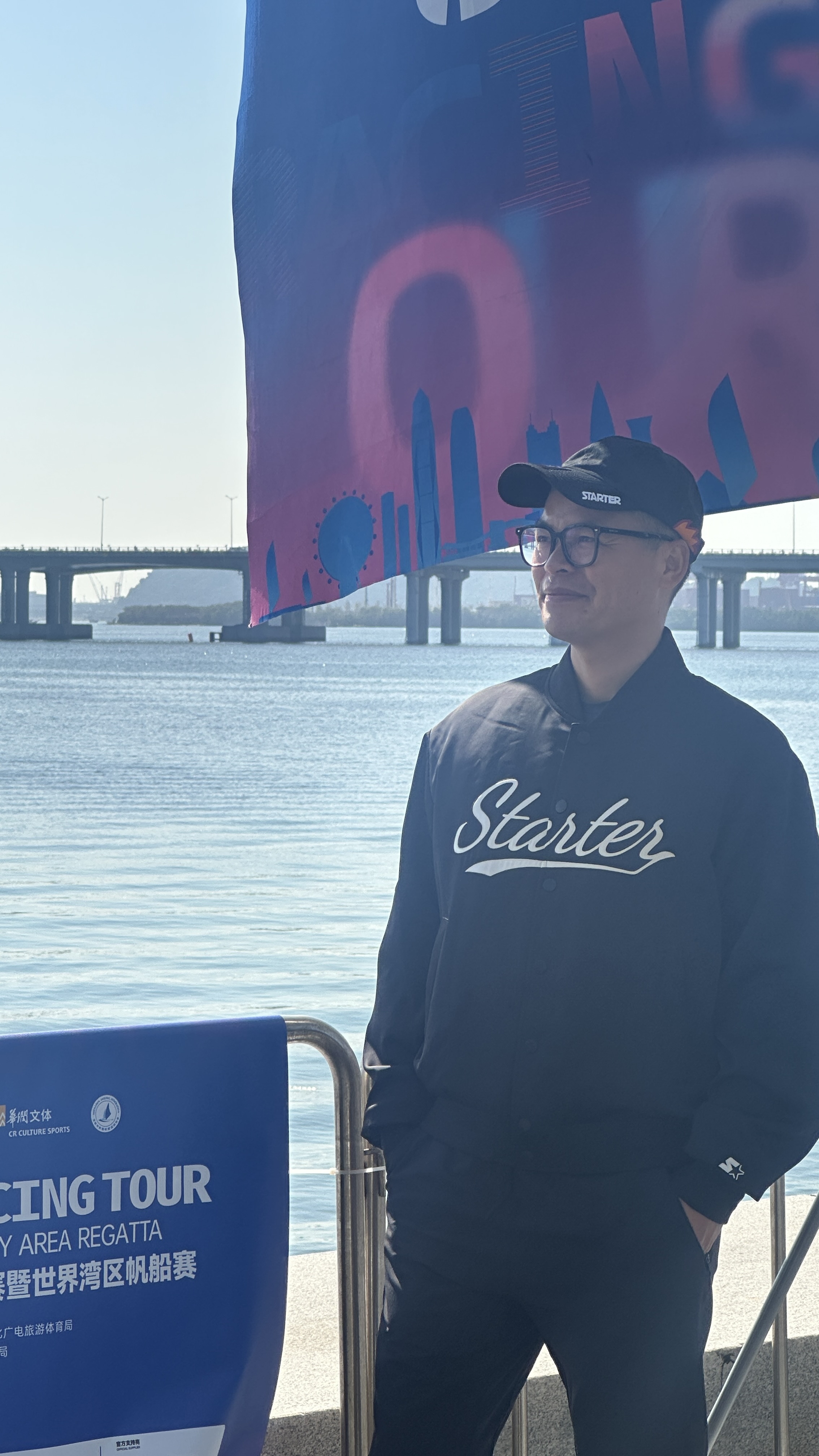
If I had to summarize it, here's what stands out:
First — design skills determine how well you do the work. Communication skills determine how long you get to do it.
There are plenty of talented designers out there. But not as many who can do great work and bring the client along with them.
Second — great work doesn't come from endless revision. It comes from having the right direction from the start.
You can't revise your way to greatness. Later changes are just patching.
Third — it's not about who wins, designer or client. It's about both sides finding a direction that works.
In theory, we should just go with whoever's right. In practice, that takes real effort.
Fourth — staying in this industry for the long haul isn't about talent. It's about reliability.
Design trends shift every three years. Technology changes every five. But a reputation for being reliable? That stays with you for a long time.

16 years is a long time. People ask me how I've stayed at one firm for so long. I don't have a dramatic answer — the work feels meaningful, the people are solid, and my clients trust me. That's enough to keep me here.
The industry keeps changing. AI is here. The tools have evolved. Clients today are far more sophisticated than they were a decade ago. But some things haven't changed — clients still need someone who listens, understands, and gets things done.
As long as that need exists, I'll be here.
If you're looking for a design team, or if you have a project you'd like to talk through — feel free to reach out. Sixteen years of experience might just be what you need.